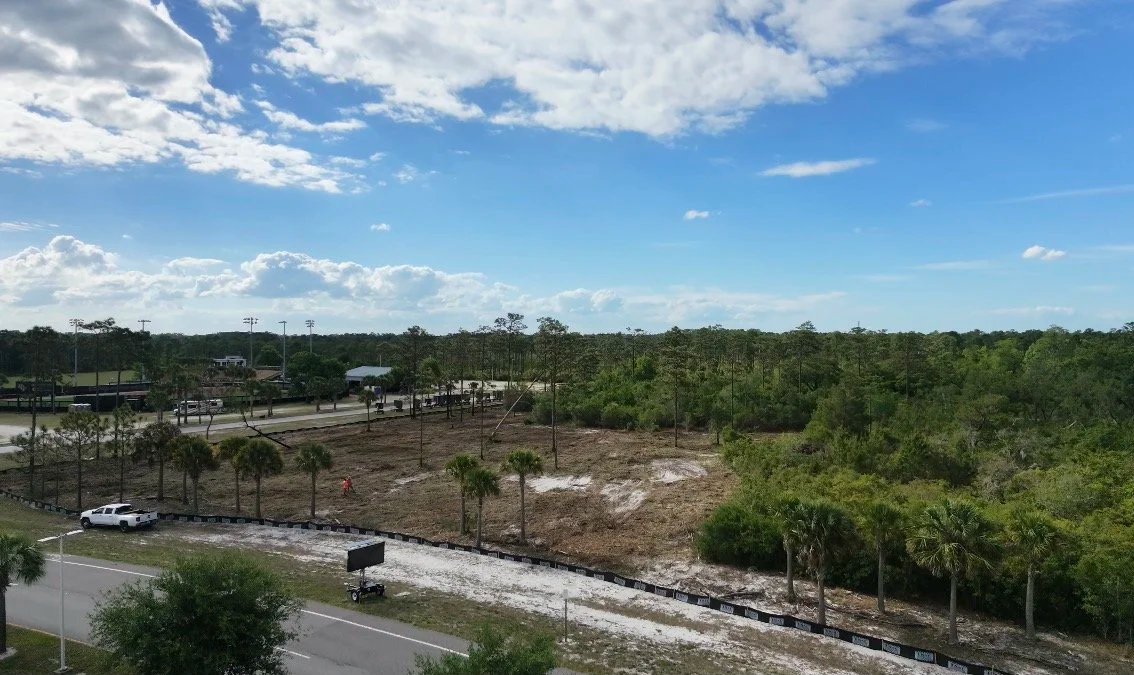
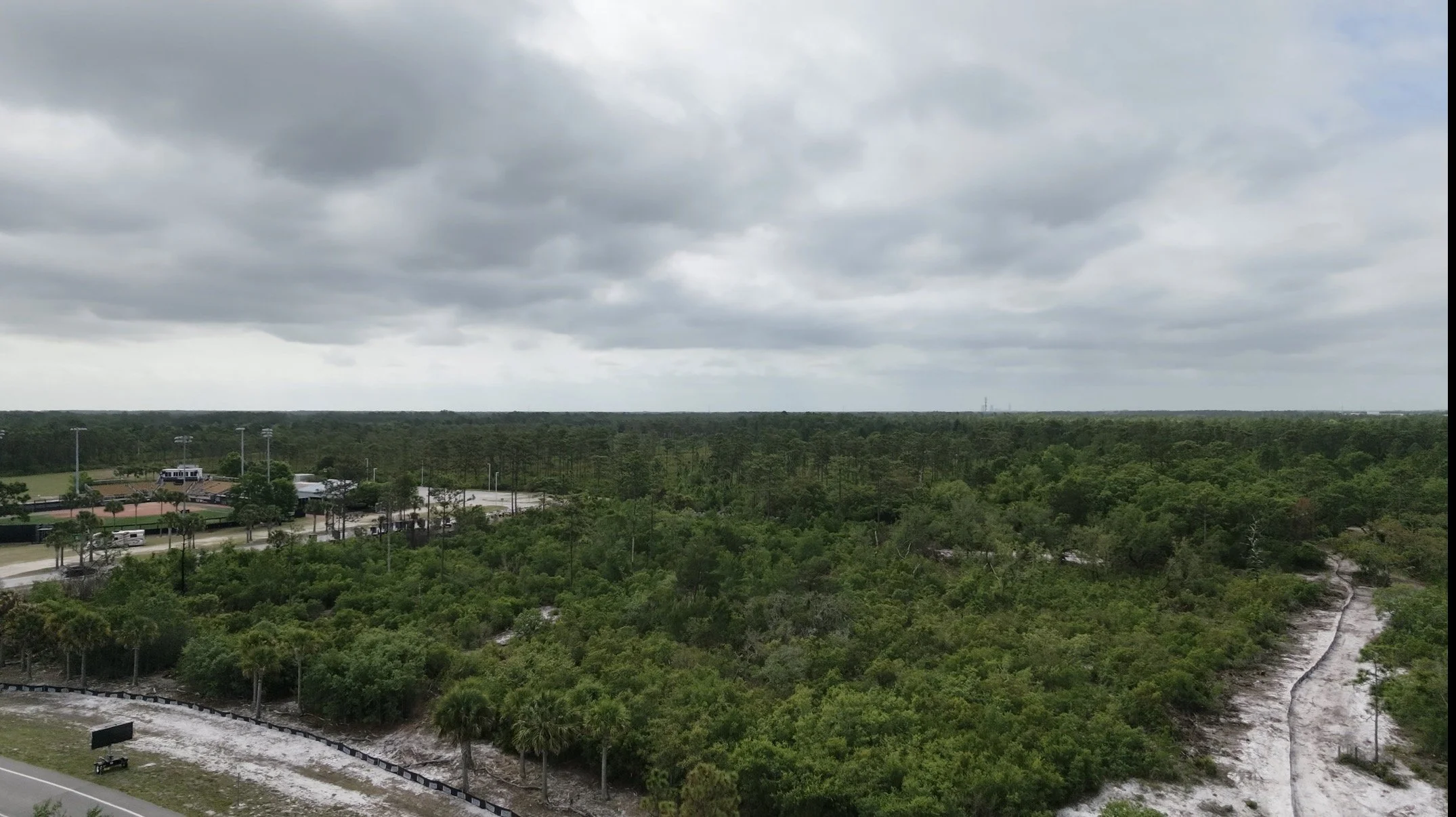
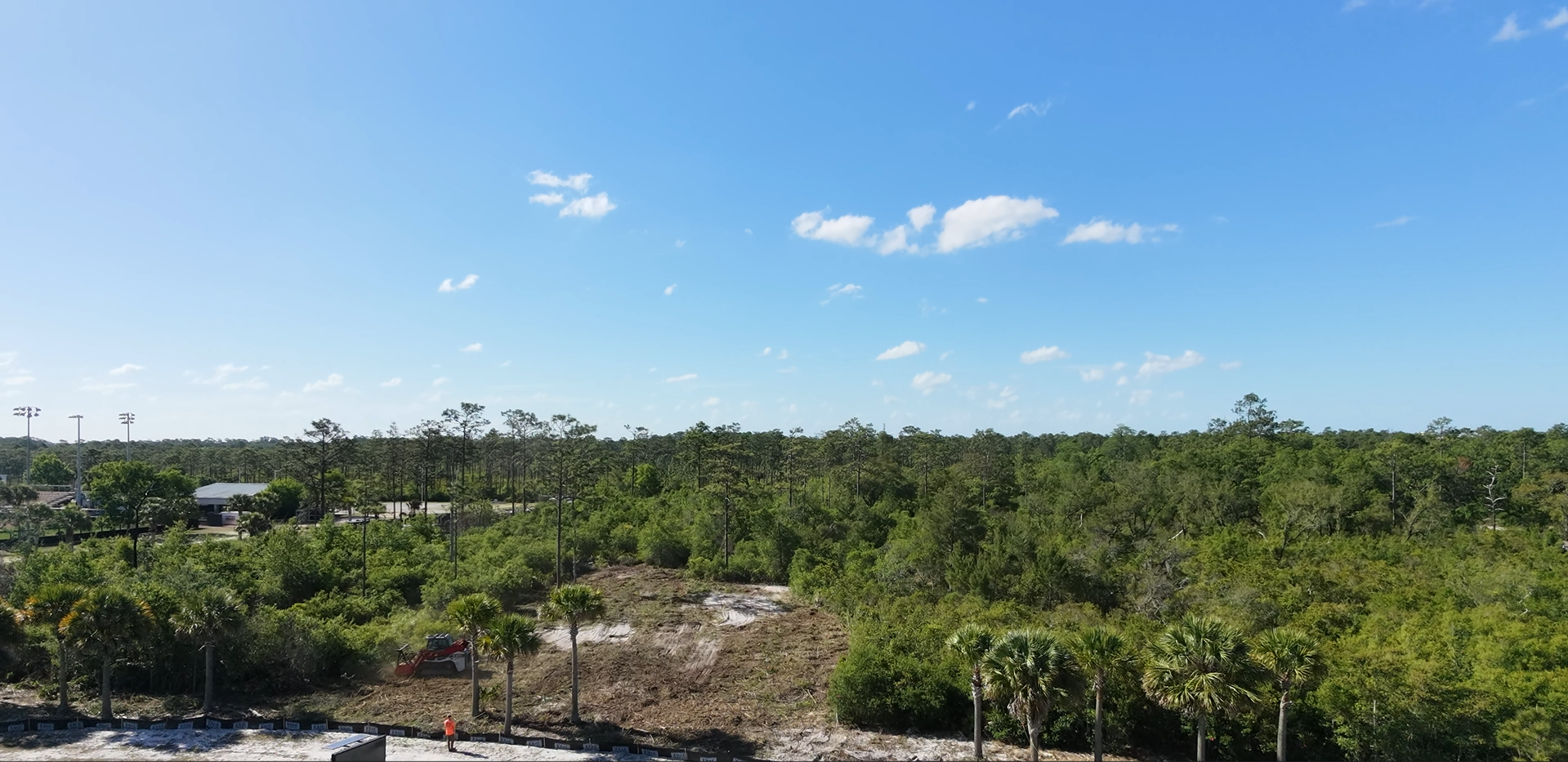
Subtle changes to UCF's campus master zoning plan greenlit the land clearing of more than 200 yards of trees near the Arboretum just four days before Earth Day.
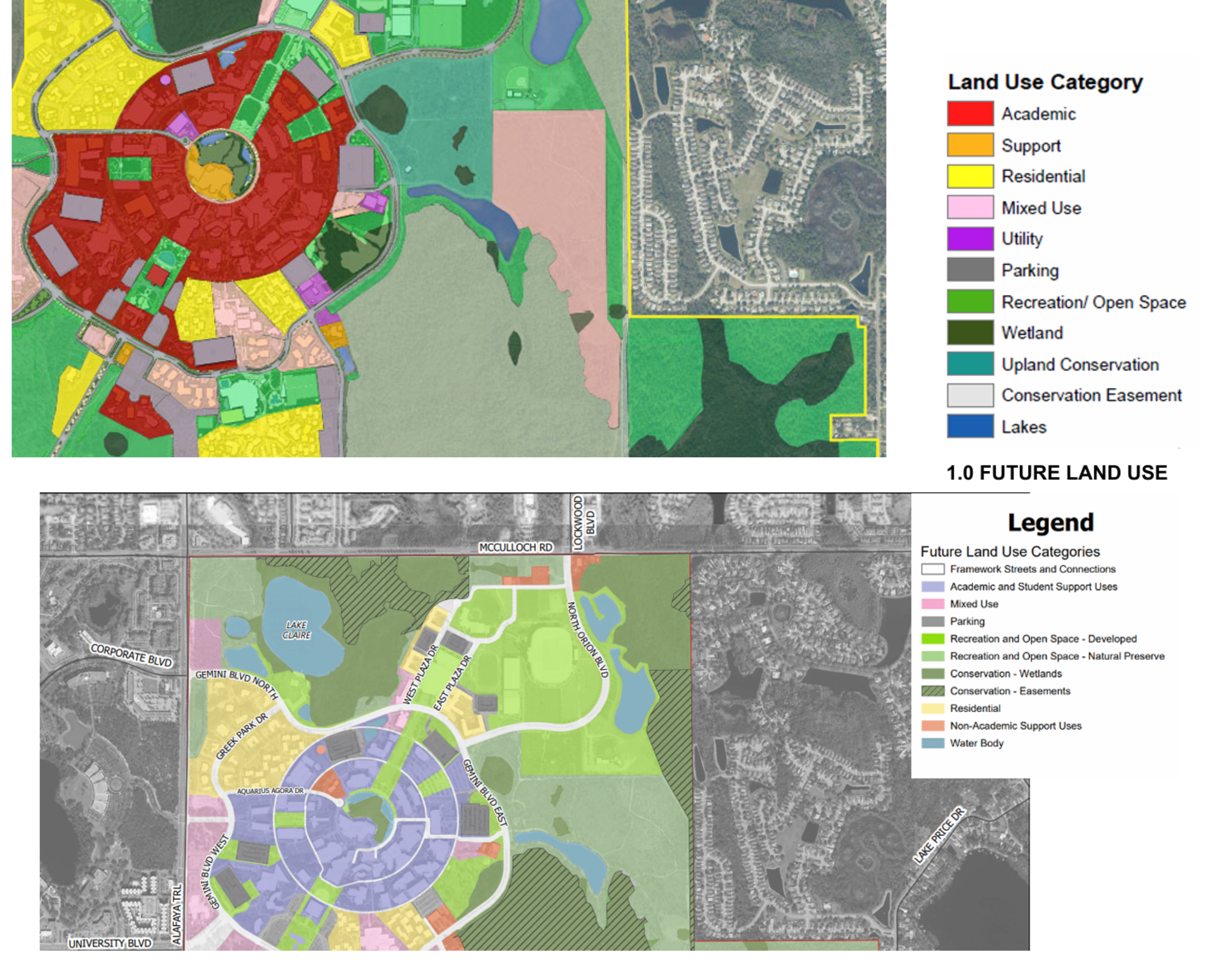
The university's 2020-30 campus master plan features an area called "upland conservation," which covers the entire area west of the softball field. However, in the 2025-35 campus master plan, the category is absent entirely, with the conservation designation removed.
The changes to the plan and the consequent land clearing sparked concern on social platforms like Reddit, as students voiced their disapproval of the ongoing removal.
Amanda Keller, senior speech therapy major, was cleaning up trash on campus with some friends just down the block from the plot removal. She said she sees protecting the environment as protecting one's home.
“I don't think we take into consideration the little bit of environment we have left,” Keller said. “Some people may think 'Oh it's just a couple of trees, why does it matter?' Saving even that part of wildlife is a big deal because it is not small; it is a big ecosystem.”
In the 2025 plan, the upland conservation category has been consolidated with “Recreation and Open Space – Developed/Natural Preserve." In the 2020 master plan, the upland conservation zone is categorized under the same areas as nature trails, wetlands, preservation zones, and lakes in Figure 4.0-5 "open space."
Jennifer Elliott, UCF’s director of the Arboretum and its sustainability initiatives, was consulted for this round of rezoning in 2024. When asked about the consultation, she declined to comment.
In a brief email exchange, Michelle Laxer, facilities and business operations communications manager, stated that this parcel of land was changed from “Mixed Use” to “Recreation and Open Space – Natural Preserve” and that the university is doing it to better protect the land south of the softball field, which she stated in the email was higher in biodiversity.
“UCF Facilities and Business Operations is preparing a wooded lot west of the softball stadium for an upcoming construction project that will establish a grass lot,” Laxer said in the email. “The (upland conservation) designation was consolidated with the 'Recreation and Open Space - Natural Preserve' designation in the 2025 update.”
The region being clear-cut was not given that designation; instead being changed to "Recreation and Open Space - Developed," removing its conservation status and allowing the trees to be cut down along with any threatened species in the area to be removed.
The 2020 plan featured a survey map of gopher tortoise burrows found on campus, showing that 29 potential gopher tortoise burrows resided in the rezoned region set for deforestation as of April 2019. No updated survey of potential habitats for the state-threatened species was featured in the 2025 plan.
Margot Winick, UCF’s director of media relations, said in an email that UCF coordinated the “permitted” relocation of the gopher tortoise in the area prior to construction, but that the area of concern is neither a protected wetland nor part of the UCF Arboretum. Instead, it is designated for development.
“UCF Facilities and Business Operations is preparing a wooded lot west of the softball stadium for an upcoming construction project that will establish a grass lot,” Winick said. "The site has been designated as developable land under UCF's master plan, and it is not a protected wetland or conservation land.”
A study by Animal Conservation from 2006 to 2022 looked at the relocation of some 2,800 gopher tortoises that took place in the Florida Panhandle, with each tortoise being uniquely marked and relocated to a 55,000-acre property just outside Panama City. The markings allowed researchers to know where each tortoise came from and when they were released onto the property.
By the study's end, the researchers found 503 tortoise carcasses, indicating that nearly 18% of the translocated tortoises were unable to survive the study period. Additionally, the study notes that for the first five years after translocation, the average gopher tortoise's survival expectancy drops from an average of 98% to as low as 93%.
While not much of a numerical change, if those numbers persisted beyond the 5-year mark, the population could soon be completely gone, The Wildlife Society reported.
"Prior to construction, access was granted to researchers and state agencies to relocate flora and fauna species of concern and interest from the site, including Florida Wildlife and Conservation-permitted relocation of gopher tortoises," Laxer said.
By Joseph Wiedeman