Endangered Species Act Amendments to Deregulate, Allow Drilling in the Gulf
The Endangered Species Committee met for the first time in 34 years on Tuesday and decided all protections on endangered species in the Gulf of Mexico were to be removed based on national security.
The meeting was held at the request of Secretary of War Pete Hegseth, believing that environmentalist action was hobbling energy and gas production in the Gulf of Mexico, which President Donald Trump renamed the Gulf of America in January of last year. Hegseth is looking to make oil and drilling exempt due to the ongoing war with Iran, according to documents from the Department of the Interior.
The “God Squad,” as the committee is nicknamed for its ability to make decisions about the life and death of certain species, usually meets with months of prior notice and in combination with several different agencies, according to NPR. The move is one of several the administration has taken to combat environmental regulation in the last year.
Another similar attempt was H.R. 1897, which was introduced on February 6, 2025, by Arizona Rep. Bruce Westerman. This looks to rework the permit process for projects in endangered species habitat, create a prioritization list for endangered species listings, and create special regulations for private conservation efforts. The bill last passed through the Committee on Natural Resources for Amendments on March 24, 2026.
The amendments to the Endangered Species Act would outline specific recovery targets for agencies to delist certain species, emphasize coordination of state departments to protect these species after removal from the national list and introduce a specific definition for what is the “best scientific and commercial data available,” according to the amendments.
Brandyn Lovett, senior marketing major and Education and Outreach intern with UCF’s branch of GenCLEO, an environmental advocacy and outreach group, said he believes this is about much more than just the Endangered Species Act.
“I can't speak for all of GenCLEO but these amendments put the power with the House Committees. I think that's very dangerous especially considering the kind of administration we have,” Lovett said. “Based on what I read, what they’re trying to do is get rid of the blanket act and instead have specific rules for each animal and each flower.”
According to the International Fund for Animal Welfare, the ESA has prevented the extinction of 99% of species listed and is a critical piece of legislation for conserving at-risk animals and plants across the United States. IFAW warns that the proposed changes would limit the at-risk consultation process, slow the listing of threatened species, eliminate review of permits that allow the killing of at-risk species and narrow the scope of what a critical habitat is defined as.
“This legislation puts politics before science, allowing economic considerations to impact the protection of our most imperiled species,” IFAW's statement reads.
Rep. Pete Stauber, representative for Minnesota's District 8 and co-sponsor of the ESA amendments, said in a statement that this legislation's approach is to “fix what has been broken for decades.”
“The Committee’s passage of the ESA Amendments Act is a major step toward fixing a broken law that has failed to recover species while burdening rural Americans,” Stauber said on his representative page. “For too long, the ESA has kept recovered species like the gray wolf listed in perpetuity.”
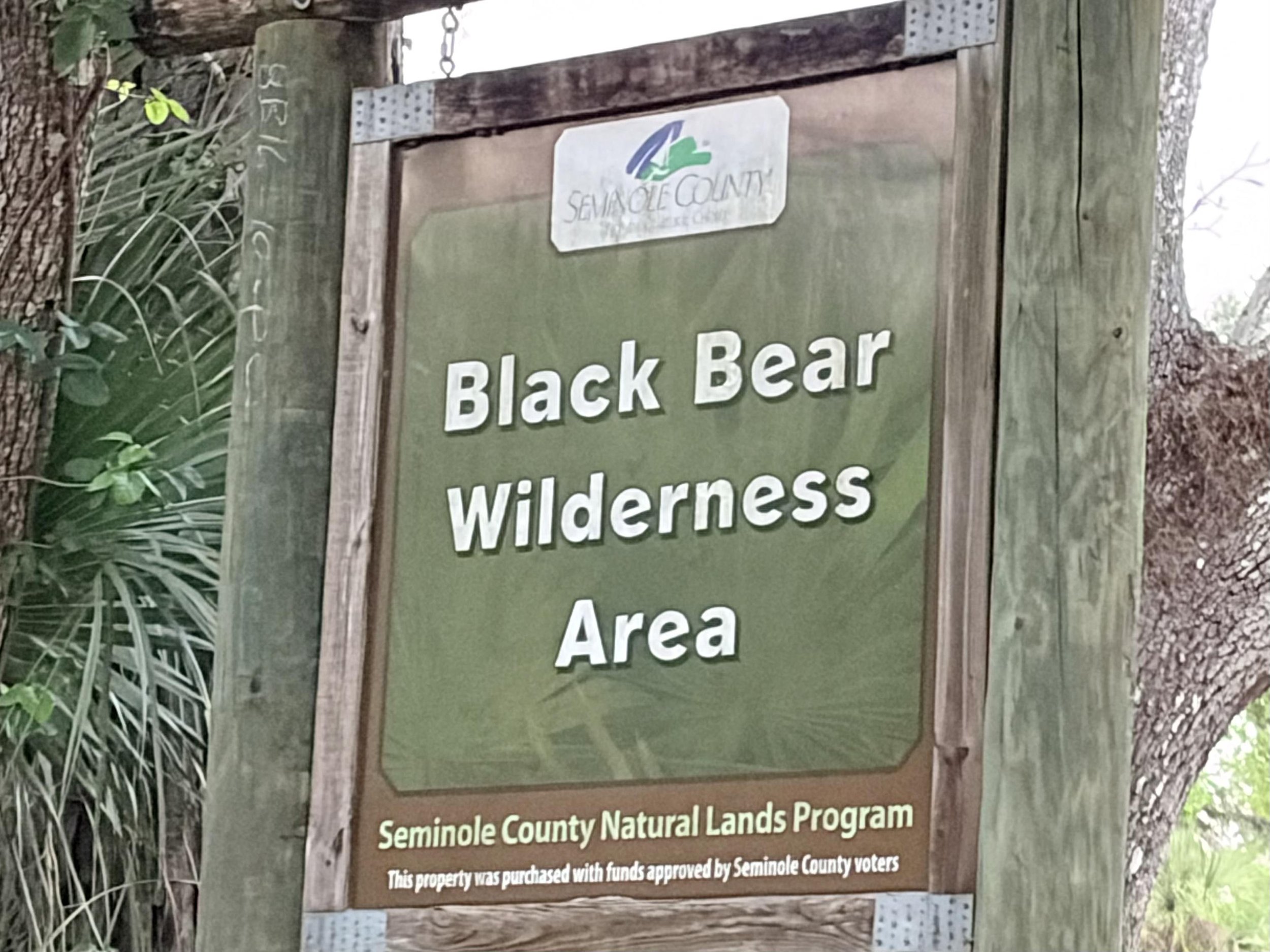
However, for species like the recovered Central Florida black bear population or the ever-threatened Florida manatee, these changes could prove critical, Rep. Maxwell Frost, Florida’s 10th district representative, said.
“Florida has one of the highest numbers of imperiled species in the country, 50 endangered and 41 threatened species currently rely on ESA protections,” Frost said in an email to The Charge. “Threatened species such as manatees and the Florida scrub‑jay could also face increased danger.”
Frost said he believes the amendments to the ESA would significantly weaken its core protections while further delaying the process for threatened species and considers it a major rollback for public policy.
“No conservation or public‑interest benefits have been identified. The changes weaken protections without offering alternative strategies to safeguard species or habitats,” Frost said in the email. “Because state leadership often prioritizes development interests, shifting more authority to the state could have especially harmful consequences for Florida’s wildlife."
The ESA amendments in combination with this exemption in the Gulf have wider long-term implications. Pointed out by the National Parks Conservation Association in open opposition to both the bill and the recent exemption, the ESA is a critically important tool to the most vulnerable national park species, as it has saved over 600 threatened or endangered species within the parks and condemns the exemptions set out for oil companies in the Gulf.
Bart Melton, senior director of NPCA’s Wildlife Program, said the amendments to the ESA are just one of a long list of bad ideas currently in both chambers of Congress.
“One thing I can predict is that it’s impossible to predict the likelihood of any of those concepts moving between now and the end of the year,” Melton said in an email to The Charge. “It seems the administration is working hard to kill Endangered Species Act protections for our nation’s most at risk plants, fish and wildlife. The decisions that are being made today will impact the likelihood of those species still being around in parks for our children and grandchildren.”
By Joseph Wiedeman