El Niño is set to return in 2026 and bring unpredictable weather conditions to the Central Florida region just before hurricane season, according to the Climate Prediction Center.
El Niño is a climate pattern that forms when trade winds in the Pacific weaken, leading to warm water moving eastward toward America’s west coast and heating the area's waters. El Niño affects weather significantly, as it causes areas of the Northern United States to dry up, while the Southeastern United States sees increased flood risk due to wetter conditions, according to the National Oceanic and Atmospheric Administration.
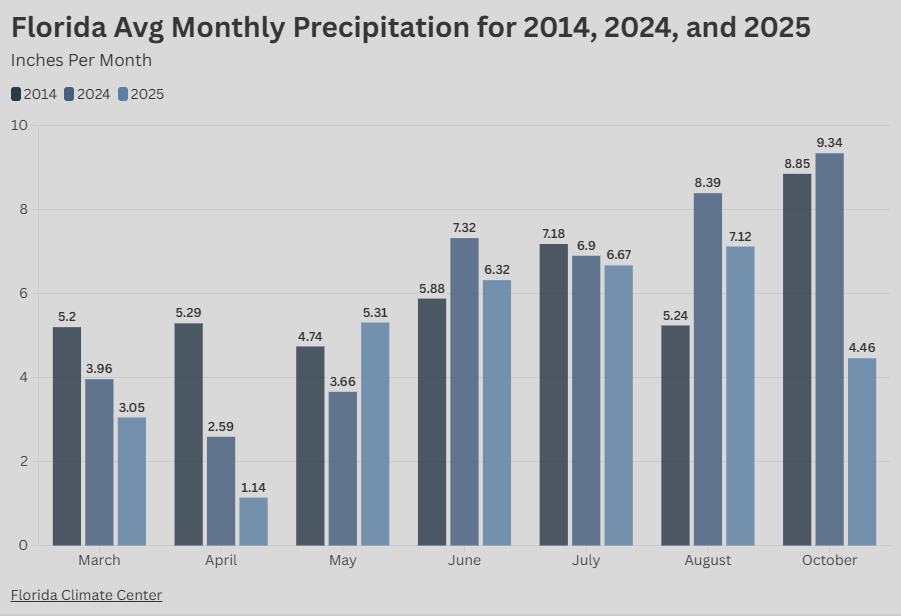
This year's El Niño comes shortly after the El Niño experienced in 2024 and on the heels of the 2025 La Niña, where trade winds push warm water away from the United States and toward Asia, leading to wetter conditions in the north and drier conditions in the south.
Florida, in particular, this year has been experiencing its worst period of drought in the last 20 years, partly due to La Niña, according to the Palm Beach Post.
Thomas Wahl, an associate professor of environmental engineering at UCF and a postdoctoral scholar at the College of Marine Science at the University of South Florida, said the projections are not entirely certain at the moment.
“So, if the projections we have at the moment, which are still somewhat uncertain since we are looking six months into the future,” Wahl said. “El Niño outlooks are getting better but are far from perfect. Right now, there seems to be a 60% to 80% we are moving to moderate, possibly even strong, El Niño this year.”
Wahl outlined more specifically why El Niño can pose an increased risk to Florida's unique ecosystem.
“There is the underlying sea level rise, which will continue into the future that is related to anthropogenic greenhouse gas emissions,” Wahl said. “So, if you have these sequences of storms [from El Niño], natural ecosystems along with economies have less time to recover.”
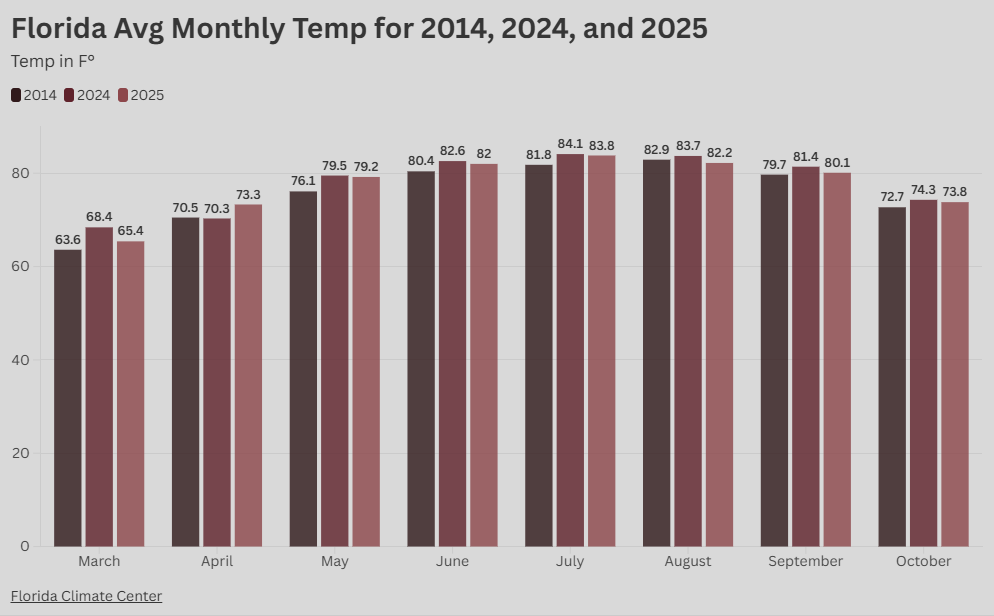
Earth.org stated that 2024’s El Niño, in combination with long-term human-caused climate change, made 2024 the hottest year on record, with an average temperature of 2.32 degrees Fahrenheit above the norm, according to data from the National Center for Environmental Information.
“There’s definitely various types of concerns depending on your area of focus, so it really depends on who you are and what your focus is,” Wahl said. “But El Niño and La Niña have a very, very wide-ranging influence on all types of weather across the state of Florida, the U.S., and really worldwide.”
El Niño could put an end to unprecedented drought conditions that have been affecting most of Florida over the past several months, but would require an exceptional amount of wet weather to make up for the last six years of ongoing drought found throughout the Southwest plains, according to the National Integrated Drought Monitoring System.
“If an El Niño pattern forms in the Pacific later this year, there’s no guarantee it will remove drought conditions in the Southern Plains. Typical El Niño weather patterns would bring needed improvement to drought across the Southern Plains, but they will not definitely end it without being historically wet, which could bring other consequences,” NIDIS stated on its website.
Maureen McCann, a UCF alumna and Spectrum News 13 meteorologist, explains that El Niño happens every two to nine years and that the phenomenon tends to suppress tropical activity in the Atlantic, introducing jet streams and strong upper-level winds that lead to adverse weather conditions.
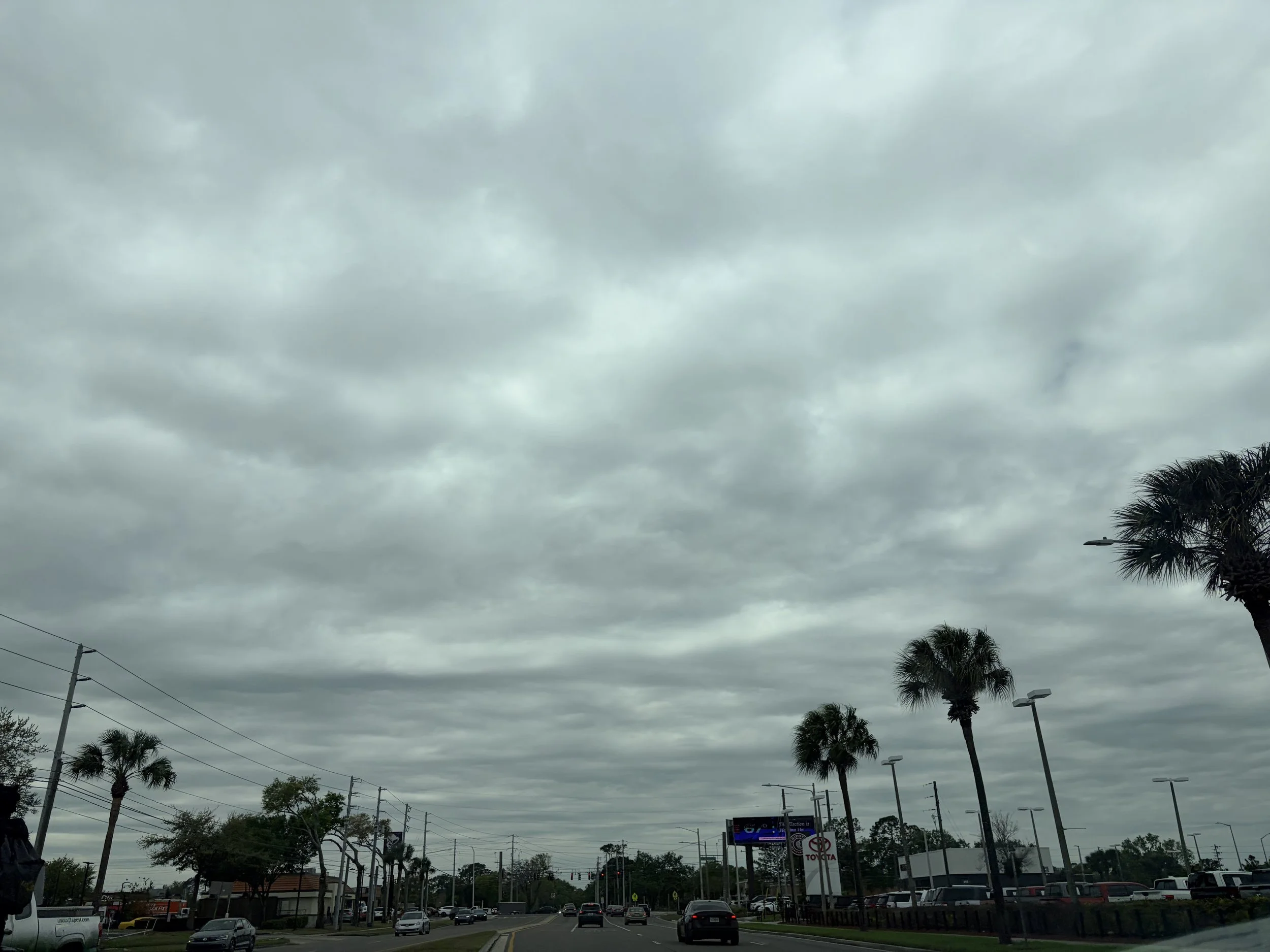
“Cooler and wetter conditions are usually associated with an El Niño winter in Central Florida, and the presence of the jet stream, or strong upper-level winds, can fuel severe weather events,” McCann said in an email. “While in the summer, the presence of less tropical activity can reduce our direct impacts, we can’t let our guard down and have to prepare the same each year, whether it is El Niño or La Niña.”
Florida already faces major flooding concerns due to its low sea level and geographical susceptibility to hurricanes, but El Niño means there is less overall activity in the Atlantic, leading to less hurricane risk but more rainstorms, as both Wahl and McCann noted.
April Robertson-Ring, doctoral student in coastal restoration and master’s graduate of Rosen’s College of Hospitality, knows that more unpredictable weather patterns introduce a level of uncertainty for many travelers and impact the overall appeal of Florida as a travel destination.
“Florida’s beaches generate billions in tourism revenue annually, and maintaining those beaches helps sustain hotel performance, tax revenues, and employment,” Robertson-Ring said in an email. “El Niño contributes to both volatility and rising costs within the tourism system.”
“On a personal level, as someone who has lived in Florida my whole life, people still love Florida, but they’re more cautious and strategic about when they come, which is a noticeable change from even a decade ago,” Robertson-Ring added.
By Joseph Wiedeman